
Counting sheep not working?
- Category: Blogs
- Posted On:
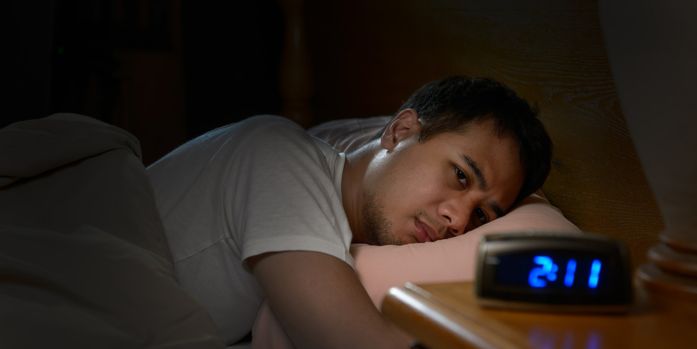
If traditional methods like warm milk or counting sheep are not helping you sleep, a sleep aid may be an option.
According to the National Institutes of Health, 50-70 million Americans struggle with sleep issues. A lack of sleep can cause more than daytime fatigue—it can lead to mood changes, reduced concentration, slower reaction times, and increased risk of hypertension, diabetes, heart disease, and dementia.
Many solutions exist for occasional sleeplessness and long-term sleep problems. Johns Hopkins Medicine notes that the type of sleep issue a person faces often determines whether a sleep aid is appropriate. Personal preference also plays a role, as some individuals prefer to avoid medication when possible.
Here are some options to consider for a better night’s sleep:
Over-the-Counter Sleep Aids
These should be used only for a short period and in consultation with a healthcare provider:
- Diphenhydramine and doxylamine – These ingredients are found in many sleep and allergy products, including Benadryl and Unisom. Potential side effects include daytime drowsiness, dry mouth, constipation, and urinary retention, especially in older adults or those with prostate issues.
- Melatonin – This natural hormone helps regulate the sleep–wake cycle. It does not directly induce sleep but supports rising melatonin levels that help promote rest. Possible side effects of melatonin supplements include headaches, nausea, daytime sleepiness, vivid dreams, and nightmares.
- Valerian – The side effects of this herbal sleep aid are often mild and may include headache and weakness.
Prescription Sleep Aids
Prescription medications may help you fall asleep faster or stay asleep longer. Some are intended for short-term use, while others are designed for longer treatment periods. These medications may carry risks, including side effects and potential dependency.
For chronic insomnia—persistent difficulty falling or staying asleep— cognitive behavioral therapy by a licensed mental health professional is often the most effective treatment, according to the Mayo Clinic. This approach focuses on restructuring the thoughts, feelings, and behaviors that are contributing to insomnia.
Good Sleep Habits
The National Sleep Foundation recommends adults ages 18–64 get eight to ten hours of sleep each night. Helpful habits include:
- Establishing a consistent bedtime
- Avoiding caffeine after noon
- Avoiding exercise within an hour of bedtime
- Keeping bedroom temperature under 70° degrees
- Not falling asleep with the TV or radio on
- Avoiding screens for at least an hour before bed
- Avoiding alcohol for at least three hours before bedtime
Before taking any sleep medication, talk with your healthcare provider about side effects, drug interactions, and risks for dependency. He or she may also be able to identify a sleep disorder, such as sleep apnea.

.jpg)