Remote patient monitoring (RPM) is a technology that enables medical providers
to monitor patients outside of conventional clinical settings, such as
in the home or in a remote area.
The goal of RPM is to better control a patient's chronic medical conditions
and to prevent unnecessary or repeated hospital visits. RPM allows providers
to monitor patients' vital signs from their office and change care plans
appropriately.
Who is eligible?
Patients with a chronic medical condition--such as hypertension, diabetes,
chronic obstructive pulmonary disease (COPD), congestive heart failure
(CHF), or COVID-19 -can enroll in the service.
What does the service include?
The service consists of nurses/other medical personnel who collaboratively
with nurse practitioners/physicians to provide oversight on each patient's
medical management.
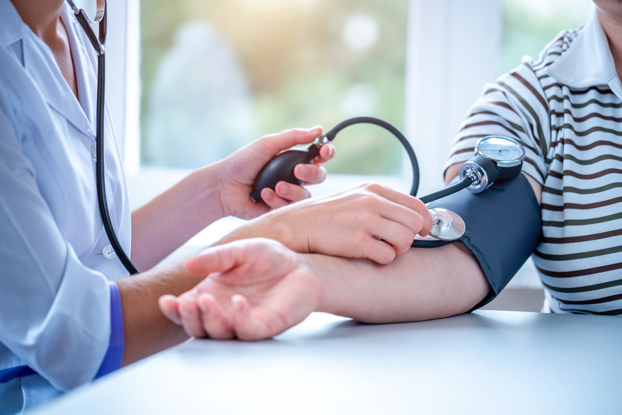
Each patient receives in-home equipment to monitor their vital signs. Depending
on their care plan, patients may receive a blood pressure cuff, scale,
pulse oximeter (oxygen levels), and glucometer (blood sugar levels). Using
4G cellular technology, readings are downloaded into the patient's chart
to review.
How do I participate in the service?
You must be referred by a Horizon Health provider in family medicine, cardiology,
general surgery, or endocrinology. These are the providers who manage
your diagnoses and follow-up care.
Frequently Asked Questions
Do I need internet or cell phone service to participate in the program?
No. However, an app is available to patients who have a smart phone, which
allows them to interact with the care team. The app is optional and not
required to utilize the service.
What benefits can I expect from participating?
Remote patient monitoring can improve your quality of life. It can help
you manage your health condition, reduce hospital and clinic visits, and
minimize costs, such as travel and wait times, while giving you better
access to your care team.
How long will I be in the program?
Your participation in the program will depend on your specific health condition.
Most patients participate in the program for a minimum of 30 days.
What happens to my data?
Medical information, including vital signs, is sent directly to athena,
our electronic health record system. This allows your care team to easily
monitor your condition.
If you believe you may qualify for RMP, or to learn more, call
217-439-4961.


.jpg)

.jpg)
.jpg)