
Plaque and a healthy heart don’t mix
- Category: Blogs, Radiology, Cardiology
- Posted On:
Calcium is essential for healthy bones, but when calcium deposits form plaque in the heart’s arteries, they can become harmful.
Calcified plaque is a fatty, waxy substance that can narrow or block the arteries. This is known as coronary artery calcification, a form of atherosclerosis (hardening of the arteries), which can increase the risk of heart attacks and strokes.
What is a calcium score test?
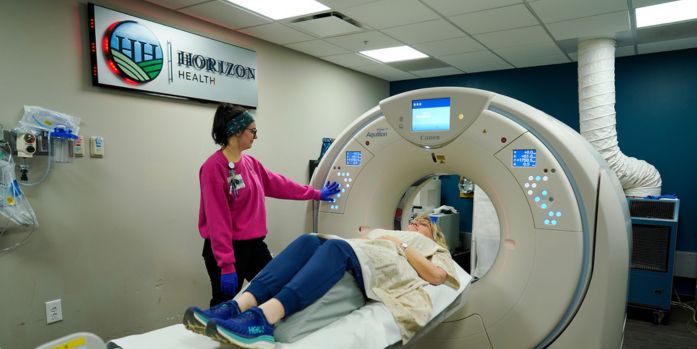
A calcium score test, also called a heart scan, can detect early signs of coronary artery disease before any symptoms appear. The test uses computed tomography (CT) to measure the amount of calcified plaque in the coronary arteries. A higher calcium score suggests a greater likelihood of narrowing arteries and a higher risk of heart disease. A calcium score is not related to dietary intake of calcium, nor is it a direct measure of bone density.
Calcium score is a risk assessment tool, not a diagnostic test. It helps identify those at risk but does not confirm the presence of heart disease. The scan is quick, painless, and typically takes about 10 minutes. It uses low-dose X-rays and does not require contrast dye.
How does the test work?
The results of a calcium score test can guide healthcare providers in deciding if further action is needed, such as lifestyle changes, medications, or other preventive steps. The score ranges from 0 to over 400 (extensive calcium build-up). A score above zero indicates the presence of some coronary artery disease. However, the test is just one piece of the puzzle. Overall health and risk factors should also be considered when evaluating the risk for heart disease.
Who should consider a heart scan?
The American Heart Association recommends a calcium score test for individuals aged 40 to 70, especially if they are at increased risk for heart disease but do not yet have symptoms. At-risk individuals include those with:
- A family history of heart disease
- A history of smoking (past or present)
- High cholesterol, diabetes, or high blood pressure
- Being overweight or obese
- A sedentary lifestyle
Most insurance plans do not cover heart scans. However, some healthcare facilities offer them as self-pay screenings.
Horizon Health offers a $49 self-pay heart scan with preliminary results available the same day. A medical order is not required. To schedule an appointment, call 217-466-4343.
.jpg)