
Heat vs. cold: A balanced approach to recovery
- Category: Blogs, Cardiology
- Posted On:
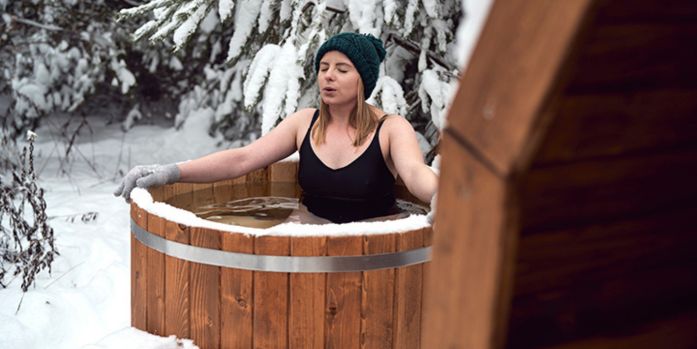
Heat and cold therapies may seem like opposites, but both play vital roles in recovery by helping manage inflammation and promote blood flow.
Heat is effective for soothing stiff muscles and alleviating chronic pain, while cold is particularly beneficial for addressing inflammation and acute injuries like sprains. Alternating between heat and cold (contrast therapy) can simultaneously reduce inflammation, stimulate circulation, and relax tight muscles.
Heat Therapy
Heat therapy, or thermotherapy, works by increasing blood flow, reducing stiffness, and relaxing muscles. It’s commonly used for chronic pain management or as a pre-activity treatment.
- Dry heat includes heating pads, disposable heat patches, and saunas (see back page).
- Moist heat includes warm baths, hot water bottles, steamed towels, and whirlpool baths. Creams, gels, and rubs containing ingredients like capsaicin can also provide a warming sensation.
Research from the National Center for Biotechnology Information found that pain reduction was most significant immediately after applying moist heat, while dry heat had a similar effect, but to a lesser degree.
Cold Therapy
Cold therapy, or cryotherapy, constricts blood vessels and reduces blood flow to the treated area. This numbing effect is commonly used after workouts to reduce inflammation, pain, and swelling.
Common cold therapy methods include ice packs, cold plunges (see back page), and cold showers. Additionally, gels, sprays, and patches containing ingredients like menthol can offer quick, temporary relief for minor muscle aches, joint pain, arthritis, backaches, and sprains.
Contrast Therapy
Contrast therapy involves alternating between hot and cold treatments
to promote circulation, reduce inflammation, alleviate pain, and speed up recovery from exercise or injury. By alternating between hot and cold, the body experiences a pumping effect, as blood vessels constrict and dilate. This helps deliver oxygen and nutrients to the affected area while flushing out metabolic waste products that can slow the healing process.
The Mayo Clinic recommends applying heat for 15 to 20 minutes, followed by cold therapy a few hours later for the same duration. Repeating this cycle at spaced intervals throughout the day may improve pain relief. Some people may find ice to be most effective, while others prefer heat or a combination of both. It may take some experimentation to determine which method works best for you.

.jpg)