
Good ergonomics is more than sitting up straight
- Category: Blogs, Rehabilitation Services
- Posted On:
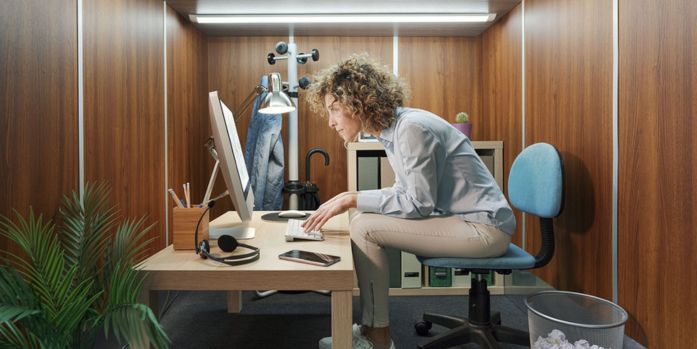
“Sit up straight!” As a child, you probably heard this more than once from a parent or teacher.
While good posture matters, sitting rigidly upright for long periods can actually lead to muscle fatigue and strain. Instead, good ergonomics promotes a balanced posture that encourages frequent position changes and regular movement.
Ergonomics is the study of people in their working environment. It focuses on fitting the job to the person rather than forcing the worker to adapt to the workspace. This can be achieved through better-fitting tools, properly adjusted workstations (such as chairs, desks, and keyboards), and workplace practices like taking frequent breaks and performing stretching exercises. These strategies help reduce physical strain, discomfort, and the risk of injury.
According to the Occupational Safety and Health Administration (OSHA), work-related musculoskeletal disorders —injuries affecting muscles, tendons, and nerves—are among the most frequently reported causes of lost or restricted work time.
Tulane University explains how common equipment can improve ergonomic safety in the workplace. Not only can these tools reduce workplace injuries, but they can also improve employee morale and productivity:
- Ergonomic chairs—Designed to support the back, hips, and thighs to promote proper seated position. May include adjustable seat height, lumbar support, and adjustable armrests.
- Standing desks—Allow employees to stand rather than sit, which can improve posture and circulation. Options range from fixed-height desks to adjustable models.
- Footrests—Help support feet and legs, promoting proper seating posture.
- Wrist supports—Reduce pressure on the wrists while typing or using a mouse, helping prevent strain, such as carpal tunnel syndrome.
- Keyboard trays—Position the keyboard and mouse at the correct height and distance from the body. These are typically mounted under desks and adjustable for height and tilt.
- Anti-fatigue mats—Often made of cushioned material, they are commonly used by employees who stand at counters or assembly lines for extended periods.
- Monitor stands—Position monitors at the correct height and distance, helping reduce eye strain, neck pain, and headaches.
- Document holders—Hold documents at the proper height and angle for workers who transcribe information into a computer.
Tulane University also emphasizes employers should conduct thorough workplace risk assessments to identify potential ergonomic hazards. These may include tasks that require frequent lifting, carrying heavy or bulky loads, or placing employees in awkward postures. Employers should also consider their employees’ physical capabilities and limitations when identifying ergonomic risks.
.jpg)