
Got jaw pain? Physical therapy may help
- Category: Blogs, Rehabilitation Services
- Posted On:
- Written By: Danielle Jena, PT, DPT, ATC
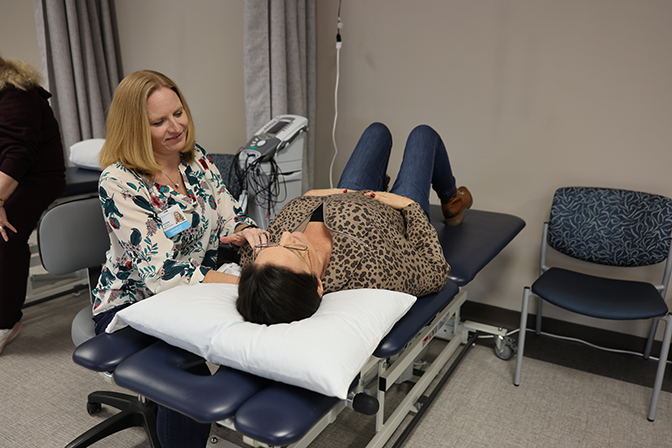
Got jaw pain? You might think the dentist or oral surgeon is your only option. But did you know a physical therapist trained in TMJ therapy can also help?
Temporomandibular joint (TMJ) dysfunction affects the jaw joints and the muscles surrounding them. There is a TMJ on each side of the face, just in front of the ears. When these joints or surrounding muscles are affected, symptoms can include jaw or face pain, clicking or popping, headaches or migraines, and jaw stiffness or locking.
Causes of TMJ pain can include a jaw fracture or dislocation, arthritis, teeth grinding or clenching, and stress that causes jaw tension.
TMJ disorders are common in adults and often develop between the ages of 20 and 40. They affect females about twice as often as males. While there is no single cure for TMJ dysfunction, the condition is treatable, and various therapies can help manage symptoms and improve function.
Physical Therapy for TMJ
Physical therapy is a conservative approach to treating TMJ disorders that does not rely on medications or surgery. It can help reduce jaw pain, improve mobility, and restore normal movement. According to Penn Medicine, research shows that most patients with TMJ disorders experience little to no symptoms following physical therapy.
Physical therapists may use a combination of hands-on manual therapy, targeted exercises, patient education, and other techniques to address TMJ symptoms. Treatment may include massage, controlled movements to improve jaw alignment, and dry needling—the insertion of fine needles into trigger points to release muscle tension and reduce pain.
Stretching and strengthening exercises can also help the jaw move smoothly and evenly. Posture training may reduce strain on the neck and upper body that can contribute to jaw tension. Other treatment options may include heat or cold therapy, as well as stress-management and relaxation techniques.
If jaw pain, stiffness, clicking, or headaches are affecting your daily life, you do not have to live with the discomfort. A physical therapist trained in TMJ therapy can help identify contributing factors, ease symptoms, and improve jaw movement and function. Talk with your healthcare provider or a physical therapist to determine whether TMJ-focused physical therapy may be right for you.

.jpg)