
SI joint pain: What to know
- Category: Blogs, Rehabilitation Services
- Posted On:
- Written By: Danielle Jena, PT, DPT, ATC

Many people may not know what the sacroiliac (SI) joint is unless they experience lower back or pelvic pain.
The SI joint connects the spine to the pelvis and acts as a shock absorber, helping transfer the weight of the upper body to the legs. There is one SI joint on each side of the pelvis. The joints are supported by strong ligaments and have very little movement compared with other joints, such as the knee or shoulder.
Studies suggest that the SI joint may be the source of pain for up to one-third of people who seek care for chronic low back pain. SI joint pain can also mimic pain from the lower back, hips, or legs, which can make it difficult to identify the source of the pain.
Common causes of SI joint pain include injuries from a fall or accident, wear-and-tear arthritis, inflammation, and pregnancy or childbirth. These conditions can cause pain in the lower back, buttocks, hips, or groin. Pain may also radiate down the back of the thigh and can worsen with sitting, standing, walking, or climbing stairs.
Treatment options may include anti-inflammatory medications, physical therapy focused on core stability and stretching, joint injections, and radiofrequency ablation for persistent pain. In some cases, surgery may be considered. A combination of treatments, such as injections and physical therapy, may provide significant relief for many patients.
The Role of Physical Therapy
According to the National Spine Health Foundation, physical therapy is a cornerstone of SI joint care, and most patients improve without surgery.
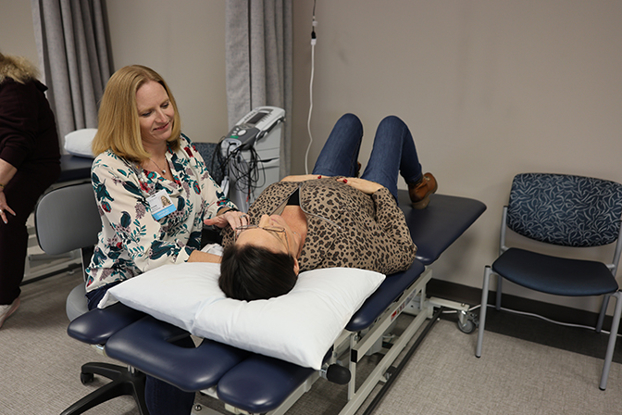
Physical therapy can include range-of-motion and stretching exercises to ease pain and help improve movement in the lower back and hips. Patient education is also an important part of treatment, helping people understand their condition and learn ways to manage symptoms and prevent future problems.
Horizon Health’s physical therapy services provide care for SI joint pain with a provider referral. Locations are available in Paris and Terre Haute. For more information, visit MyHorizonHealth.org.
.jpg)