
When gallstones strike
- Category: Blogs
- Posted On:
- Written By: Yaniv Cozacov, MD, FACS
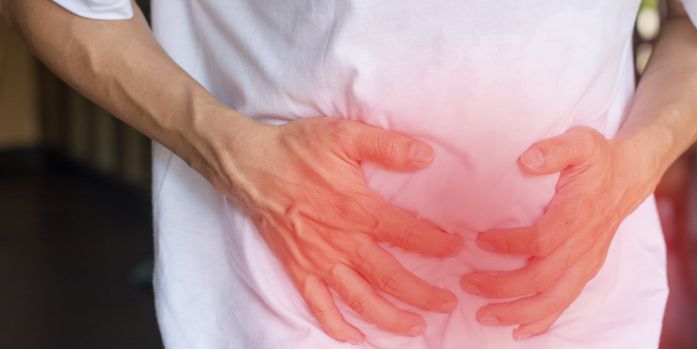
Gallbladder disease is common, often showing up suddenly and painfully. Many patients first experience biliary colic—a warning sign that gallstones may be causing trouble.
Biliary colic occurs when a gallstone temporarily blocks the cystic duct, the channel that drains the gallbladder. This causes a steady, often intense pain in the upper right abdomen or center of the chest, sometimes radiating to the back or right shoulder. It frequently happens after eating, especially fatty meals, and can last from 30 minutes to several hours before resolving on its own.
Biliary colic should not be ignored. Repeated episodes often mean the problem is progressing, and in some cases, the blockage does not resolve. This can lead to acute cholecystitis, a more serious condition where the gallbladder becomes inflamed and infected, often leading to hospitalization.
Another important and sometimes more serious condition is choledocholithiasis, which occurs when gallstones move out of the gallbladder and become lodged in the common bile duct. This can block the flow of bile from the liver and may lead to jaundice, infection (cholangitis), or even pancreatitis. Symptoms can include yellowing of the skin or eyes, dark urine, pale stools, and persistent abdominal pain.
The most effective treatment for symptomatic gallbladder disease is surgical removal of the gallbladder, known as a cholecystectomy. This is one of the most common and reliable procedures performed today. Once the gallbladder is removed, the source of the problem—gallstones and obstruction—is eliminated, and symptoms do not return. Most people digest food normally and the liver continues to produce bile, which flows directly into the intestines instead of being stored.
Some patients may notice changes in digestion, most commonly loose stools or urgency after eating. This is often due to bile acid diarrhea, a condition where bile flows more continuously into the intestines. However, symptoms are typically mild and very treatable with simple medications.
If you experience upper abdominal pain—especially after meals—it may be your body’s way of signaling a gallbladder problem. Addressing it early can spare you from more severe illness and get you back to feeling like yourself again.

.jpg)