
Do Liver Cleanses and Detoxes Work?
- Category: Blogs
- Posted On:
- Written By: Daniel Mackey, RDN, LDN
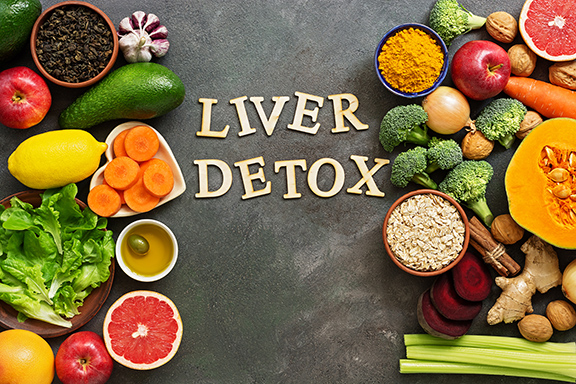
The liver acts as the body’s natural filter, performing more than 500 vital functions — from filtering blood and storing energy to producing bile that aids digestion.
As the body’s largest internal organ, the liver filters hundreds of gallons of blood each day, breaking down harmful substances such as alcohol and drugs while removing waste from the bloodstream. Because it plays so many essential roles, maintaining proper liver function is critical to overall health.
Liver Cleanses vs. Liver Detoxes
The terms “liver cleanse” and “liver detox” are often used interchangeably, but they typically refer to different approaches.
A liver cleanse is generally more digestive-focused and may involve short-term diets, teas, or juice regimens intended to “flush out” the digestive system. A liver detox usually refers to supplements or products — such as milk thistle or turmeric — that claim to remove toxins from the liver and body.
Both approaches are commonly marketed as ways to support daily liver health, recover from overindulgence, or repair liver damage.
Myths vs. Facts
Johns Hopkins Medicine debunks several common myths surrounding liver cleanse and detox products:
Myth: Liver cleanses are important for daily health maintenance.
Fact: Liver cleanses are unnecessary and lack strong clinical evidence. These products are not regulated by the U.S. Food and Drug Administration and have not been proven to reverse damage caused by overeating or alcohol use.
Myth: Liver cleanses are a safe and healthy way to lose weight.
Fact: Many liver detoxification products are marketed as weight-loss cleanses. These products should be used with caution, as some supplements have been linked to liver injury.
Myth: You cannot protect yourself against liver disease.
Fact: There are many ways to reduce your risk of liver disease, including:
- Limit alcohol consumption. Men should consume no more than three drinks per day, and women no more than two drinks per day, to help prevent alcoholic liver disease.
- Maintain a healthy weight. Aim for a body mass index (BMI) between 18 and 25 through a balanced diet and regular exercise. This can reduce the risk of metabolic dysfunction-associated steatotic liver disease (MASLD), formerly known as nonalcoholic fatty liver disease.
- Avoid risky behaviors. To lower the risk of viral hepatitis, avoid illicit drug use and practice safe sex.
- Know your risk factors. If you drink alcohol excessively or have a family history of liver disease, speak with your healthcare provider. Chronic liver disease can develop silently for years without noticeable symptoms.


.jpg)